Home security systems are often seen as an added expense. But for many Australian homeowners, a security system doesn’t just protect your property. It can actively reduce what you pay for home insurance each year.
The short answer is yes: many insurers do offer discounts for homes with security systems in place. But the savings vary significantly depending on your insurer, your system type, and whether it’s professionally monitored. This guide explains exactly how it works, which insurers reward security upgrades, and what you need to do to claim the discount.
Why Do Insurers Offer Discounts for Security Systems?
- Insurance premiums are calculated based on risk. The more likely a claim is, the higher your premium. A home with no security measures is statistically more likely to be broken into than one with a monitored alarm, security cameras, and sensor lighting.
- From the insurer’s perspective, a secured home means fewer claims, lower payouts, and less risk exposure. They pass some of that savings back to you in the form of a reduced premium.
- It’s a straightforward exchange: you invest in protecting your property, and your insurer rewards you for it.
How Much Can You Save?
Discounts vary between providers, but Australian homeowners with qualifying security systems typically save between 5% and 15% on their home and contents insurance premiums.
Example: If your annual home insurance premium is $2,000, a 10% discount saves you $200 per year. A 15% discount saves $300. Over five years, that’s $1,000–$1,500 back in your pocket, which more than covers the cost of many alarm systems.
The exact amount depends on several factors, including the type of system you have, whether it’s monitored, and the specific insurer’s discount structure.
Which Security Systems Qualify for a Discount?
Not all security measures are treated equally by insurers. Generally speaking, the more robust your system, the greater the potential discount. Here’s how most insurers rank security measures:
- Professionally Monitored Alarm Systems (Highest Discount)
- A monitored alarm, one connected to a 24/7 monitoring centre that can dispatch police or a security guard, is the gold standard for insurers. These systems offer the strongest evidence of active risk reduction and typically attract the highest available discounts.
- Unmonitored or Self-Monitored Alarm Systems (Moderate Discount)
- An alarm system that sounds a siren or sends you a phone alert but isn’t connected to a professional monitoring centre may still attract a discount, though typically a smaller one. Some insurers draw a clear distinction between monitored and unmonitored systems when calculating savings.
- Security Cameras (Partial Discount)
- CCTV cameras on their own may contribute to a discount, particularly if they’re high resolution and cover entry points. However, cameras alone without an alarm system are less likely to attract significant savings.
- Deadbolts and Physical Security (Minor Discount)
- Quality deadbolts, security screens, and reinforced doors are baseline expectations for many insurers. They may be required to qualify for cover at all, rather than being rewarded with a separate discount.
Which Australian Insurers Offer Security Discounts?
Most major Australian home and contents insurers factor security into their pricing, though not all advertise it explicitly. Discounts are often applied automatically during the quote process when you declare your security measures, rather than listed as a named discount on their website.
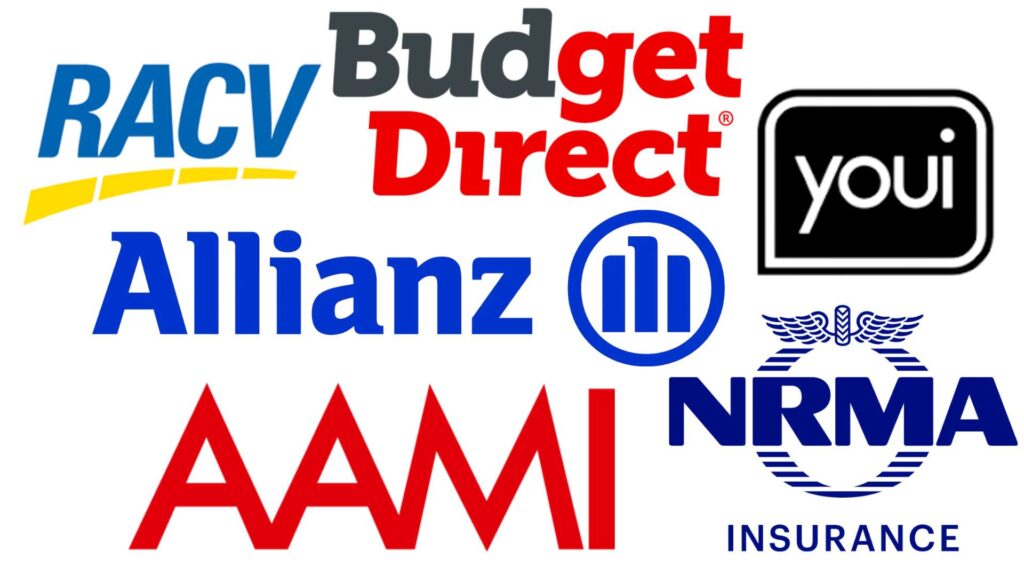
Insurers that are known to factor security measures into their home insurance pricing include:
- NRMA Insurance
- RACV
- Allianz Australia
- Budget Direct
- Youi
- AAMI
The best approach is to contact your current insurer directly and ask: “Do you offer a discount for a professionally monitored alarm system?” If your current insurer doesn’t reward security upgrades, it may be worth comparing quotes from those that do.
What Documentation Do You Need?
To claim a security discount, your insurer will typically ask for evidence that the system is installed and operational. The documentation required varies, but commonly includes:
- Proof of installation from your security installer, confirming the system type, components installed, and date of installation
- A monitoring agreement from your monitoring provider or security installer, confirming that your system is actively monitored (for monitored alarm discounts)
- System details including the brand, model, and whether the system is connected to a monitoring centre
- Annual service records in some cases, showing the system has been maintained and is in working order
Jim’s Security provides a certificate of installation as standard with every system we install. This documentation is insurer-ready and clearly outlines the components and monitoring status of your system.
Does the Saving Actually Stack Up?
It’s a fair question. Let’s look at the numbers.
A professionally installed alarm system from Jim’s Security starts from around $1,200–$2,000 for a standard home, with professional monitoring available from approximately $35–$50 per month.
A realistic scenario: Annual insurance premium of $1,800. A 10% monitored alarm discount saves $180/year. Over 5 years, that’s $900 in insurance savings alone before accounting for any reduction in the likelihood of a claim (and the excess, stress, and inconvenience that comes with one).
When you factor in the insurance saving alongside the primary benefit of actually protecting your home, your contents, and your family, the investment case becomes clear.
Business Owners: The Same Logic Applies
If you own a business, commercial property insurance often works the same way. Insurers assess the risk profile of your premises, and a monitored security system particularly one that includes CCTV and after-hours alarm monitoring can meaningfully reduce your commercial insurance premium.
For businesses storing high-value inventory, equipment, or sensitive data, some insurers may actually require a monitored alarm as a condition of cover. Checking your policy wording is worthwhile, as an undetected gap in your security coverage could affect a future claim.
Steps to Take to Maximise Your Insurance Saving
- Get a professionally installed, monitored alarm system. This is the single biggest lever for insurance discounts.
- Ask your insurer directly. Don’t assume the discount is applied automatically. Call and ask what security measures qualify and what documentation they need.
- Keep your installation certificate on file. You’ll likely need it when you renew your policy or switch providers.
- Compare at renewal. Use your security upgrade as a reason to shop around. Some insurers offer better security discounts than others.
- Keep your system maintained. An alarm that isn’t working isn’t just a security risk but it may not meet your insurer’s conditions for the discount.
Jim’s Security Recommendation
If you’re on the fence about investing in a home security system, the insurance saving alone is often enough to make the decision straightforward. When you combine a reduced premium with the peace of mind that comes from knowing your home is protected around the clock, the question isn’t really “can I afford a security system?” but “can I afford not to have one?”
Our local technicians will assess your property, recommend the right system, and have you protected quickly.
Get your free quote from Jim’s Security today.
We’ll recommend the right system for your property and provide insurer-ready documentation on completion.
Call 131 546 or book a free quote online.