DAA-Compliant Security Cameras: Why It Matters for Australian Businesses
DAA-Compliant Security Cameras: Why It Matters for Australian Businesses
Facebook
LinkedIn
If you run a business in Australia, you have probably started hearing the phrase “NDAA Compliant” pop up when discussing commercial security.
If you are like most business owners, your initial reaction is likely a healthy dose of skepticism: “Is this just a sneaky marketing buzzword designed to make me buy more expensive gear? My current cameras work perfectly fine, why should I care about a random regulatory acronym?”
It is a completely fair question. While NDAA compliance has become a major talking point in corporate supply chains and government contracts, it is important to separate international legislative red tape from the actual day-to-day security needs of regular Australian businesses.
Before you invest in a security system, here is a straightforward, hype-free breakdown of what NDAA compliance actually means, whether it realistically impacts your operations, and how to pick the right tech for your specific goals.
What on Earth is “NDAA”?
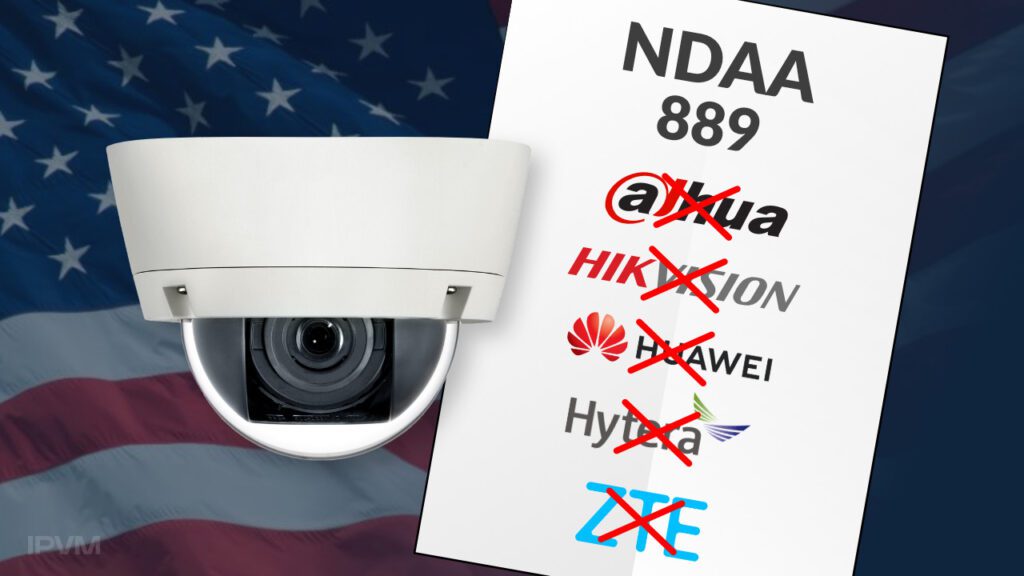
NDAA stands for the National Defense Authorization Act. It is a piece of legislation passed by the United States government.
Deep inside Section 889 of this law, the US government restricted its own federal agencies from purchasing video surveillance equipment from a handful of Chinese manufacturing giants, including industry leaders Hikvision and Dahua. The primary driver was geopolitical caution and a strict desire for US government infrastructure to run on custom, domestically approved supply chains.
The Global Ripple Effect
While the NDAA is strictly an American legal framework, it has naturally influenced high-security sectors globally.
Australia’s federal government took a similar cautious approach, auditing and updating surveillance hardware across highly sensitive Department of Defence locations and major Commonwealth corporate headquarters. Over the last couple of years, this regulatory filter has slowly trickled down into private industries that deal directly with high-level government contracts.
The Big Question: Does Your Business Actually Need NDAA Compliance?
Let’s look at this purely from a business practical perspective. For the vast majority of commercial properties across Australia, compliance is not a legal requirement.
Instead, security hardware choice comes down to your client base and your operational risk profile.
Scenario A: When NDAA Alternatives Are Recommended
You only need to actively prioritize an NDAA-certified alternative if your business fits into these specific corporate brackets:
Tier-1 Corporate Contracting: You act as a direct contractor for massive global enterprises that enforce strict US-aligned IT policies.
Government Tendering: You are actively bidding for local, state, or federal government contracts.
Critical Infrastructure: You operate within defense supply chains, major airports, shipping ports, or banking networks.
Scenario B: When Hikvision & Dahua are the Smartest Choice
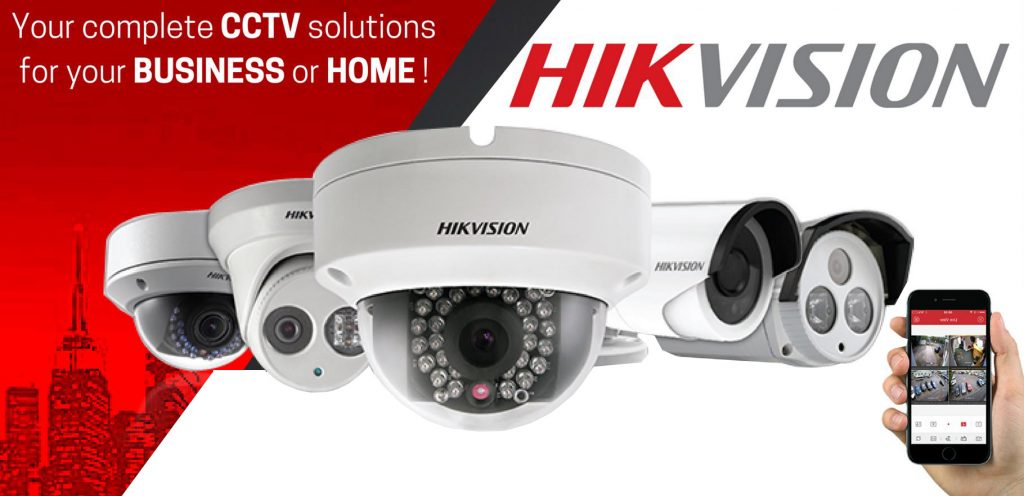
If your business doesn’t fall into those high-security government categories. For example, if you run a retail shop, a local medical clinic, a trade warehouse, a hospitality venue, or an office. Hikvision and Dahua remain the industry benchmarks for a reason.
For standard commercial use, they offer an unbeatable balance of performance and price:
Cost-Effectiveness: Because of their massive global manufacturing scale, these brands provide advanced enterprise-grade analytics at a price point that keeps your commercial capital expenses highly manageable.
Elite Visual Technology: Hikvision’s ColorVu range delivers crisp, full-color 4K video even in pitch darkness, ensuring your property is protected 24/7.
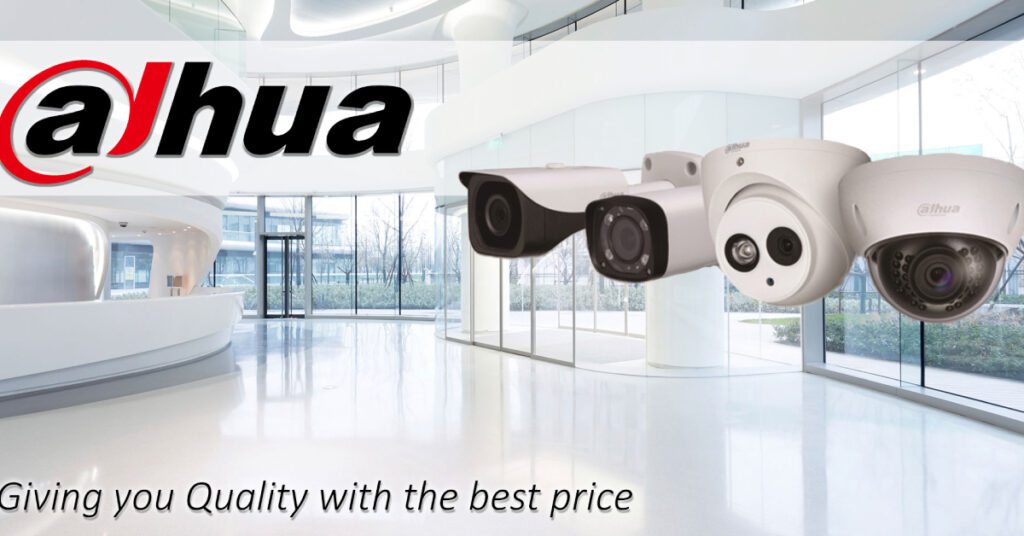
Smart AI Detection: Dahua’s WizSense line uses advanced artificial intelligence to accurately distinguish between actual human/vehicle intrusions and false alarms (like stray animals or moving trees), dropping false alerts by up to 90%.
Navigating the Options: Honest Recommendations
At Jim’s Antennas and Security, we don’t believe in one-size-fits-all security. We match the technology precisely to your real-world business risks and compliance targets.
1. The Value Leaders: Hikvision & Dahua
If your main priority is premium AI features, incredible low-light clarity, robust physical hardware, and maximizing your return on investment without rigid corporate auditing hurdles, Hikvision and Dahua are our top-selling, highest-recommended systems. They are 100% legal to own and operate for commercial businesses across Australia.
2. The Corporate Compliance Alternatives
If your commercial property genuinely requires strict procurement compliance to satisfy tier-1 corporate auditors or government tenders, we seamlessly transition our clients to these high-performance alternatives:
Hanwha Vision: Designed and manufactured in South Korea, Hanwha builds its own chipsets and firmware from scratch, offering an elite tier of enterprise data security.
Uniview (UNV): A rapidly growing global leader in CCTV tech, known for exceptional ultra-low-light stability and intuitive software apps that suit both domestic and commercial environments.
Don’t Guess Your Security Needs. Get the Experts In.
The trickiest part about modern surveillance is tailoring your system design so you don’t overpay for compliance features you don’t need, while ensuring you aren’t accidentally locked out of valuable business contracts.
The licensed commercial security team at Jim’s Antennas and Security can conduct a comprehensive, zero-obligation onsite audit of your business premises. We map out your physical layout, evaluate your operational risks, and engineer a balanced, reliable surveillance system tailored perfectly to your industry’s demands and budget.
Call Jim’s Antennas today on 131 546 for a free, onsite commercial site assessment, or book your free quote online in seconds to secure your business future!