Yes, solar powered security cameras work, and for many homes and businesses they solve a real problem: getting power to a camera where running a cable just isn’t practical. Think boundary fences, sheds, driveway gates or remote corners of a rural property.
That said, solar cameras aren’t a like-for-like replacement for a hard-wired system. They come with genuine limitations around sunlight, recording style and network reliability that are worth understanding before you buy.
How do solar security cameras work?
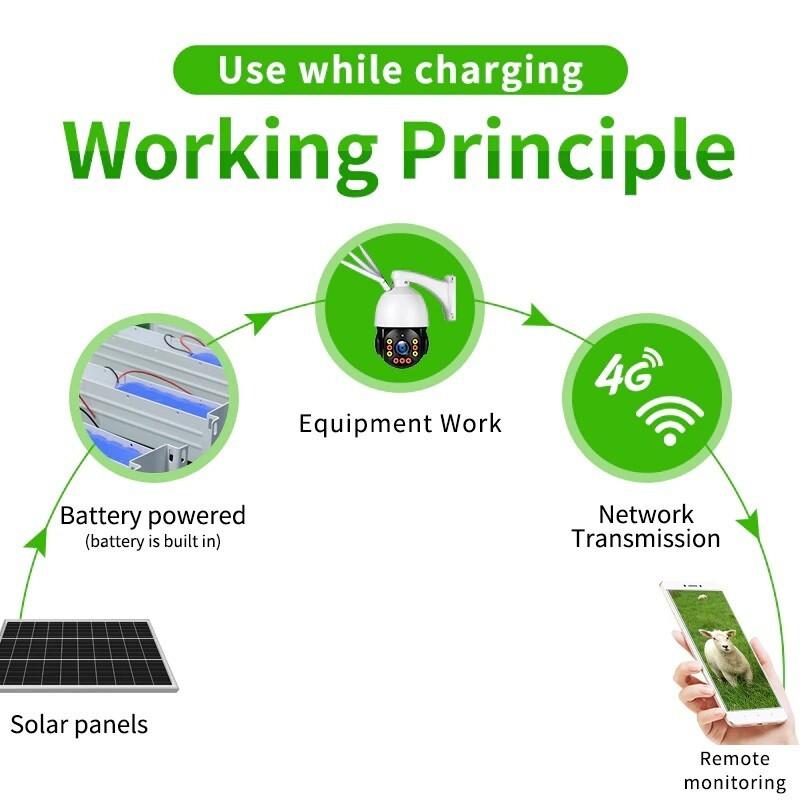
A solar security camera pairs a small solar panel with a rechargeable battery inside the camera. During the day the panel tops up the battery, and the camera runs off that stored charge, including overnight. There’s no need to run mains power or data cabling to the camera itself, which is what makes these cameras so useful for hard-to-reach spots.
Some wireless cameras can also be connected to mains power instead of relying purely on solar or battery, but that still requires installation from a licensed electrician.
When does a solar camera make sense?
Solar cameras earn their keep when running cabling to a location isn’t an option. This includes:
- Freestanding sheds, garages or workshops away from your main power supply
- Front gates, driveways and boundary fences
- Rural properties where trenching cable is expensive or impractical
- Properties where roof space or wall cavity access is limited, making cable runs very difficult and costly
- Temporary setups, such as a construction site or a holiday property
If your camera location already has power and a stable network connection nearby, a hard-wired camera will usually give you a more reliable result.
What are the limitations of solar powered cameras?
They need regular, reliable sunlight
Solar panels need consistent sun exposure to keep the battery topped up. In Australia that generally means positioning the panel facing north or west, so it picks up the most sun through the day. A panel tucked under eaves, shaded by trees, or facing south simply won’t charge properly, whatever the camera’s specs promise.
Weather plays a part too. A run of overcast days or a shaded winter sun path can leave the battery struggling to keep up, even with good placement.
They typically can’t record continuously
Because they run on stored battery power, solar cameras are generally set up to record on motion detection rather than continuously. This conserves battery, but it also means you won’t get an unbroken 24/7 recording the way you would with a hard-wired, continuously powered system. If continuous recording matters to you, that’s worth discussing with your installer before you commit to solar.
Wireless networks can be unreliable
Solar cameras are wireless cameras, and wireless cameras depend on your home or business WiFi to send footage and alerts. That makes them susceptible to interference and dropouts, and a weak signal at the camera’s location will affect performance. As a rule of thumb, aim for a minimum stable upload speed of around 4mbps at the camera location itself, not just at your router.
Other things to factor in
Wireless cameras can also have lower image clarity and frame rates compared with wired equivalents, and many require a subscription to access stored recordings or extended playback. It’s worth checking these details against your own needs before choosing a camera.
Our preferred solar camera: the Swann Max Ranger
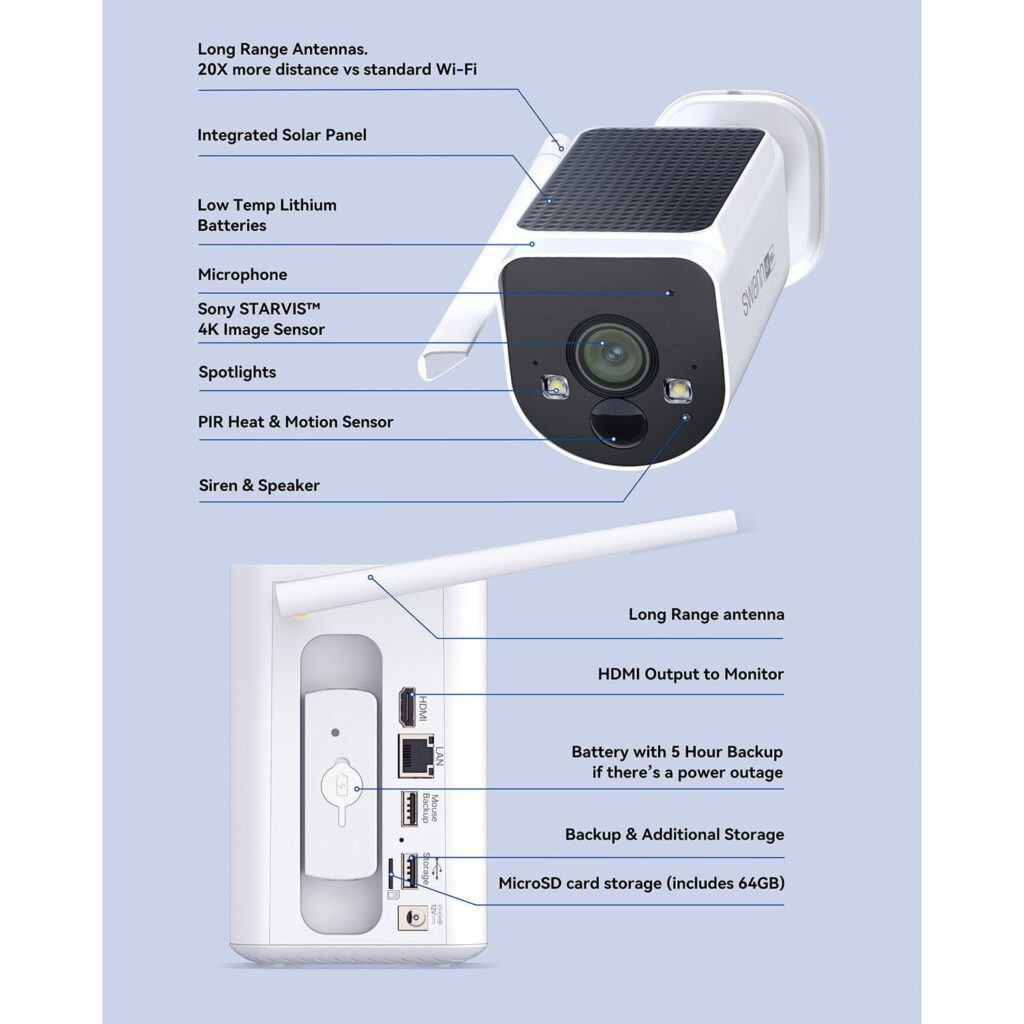
For solar installations, Jim’s Security generally recommends the Swann Max Ranger.
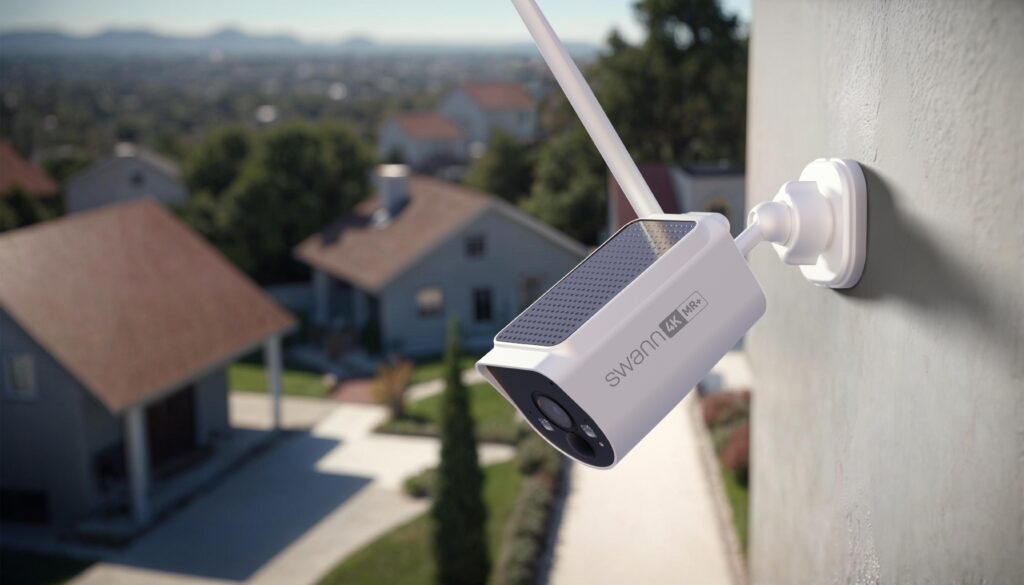
It has a large battery, which means fewer charge cycles and more buffer to get through overcast stretches, and it creates its own dedicated wireless network rather than relying solely on your home or business Wi-Fi. That second point directly addresses one of the biggest weak points of solar cameras: interference and dropouts on a shared network.
Solar or hard-wired: which should you choose?
Where your site allows it, a hard-wired system will usually give you the most reliable, stable recording setup, without the sunlight, battery and network variables that come with solar. That’s why we generally recommend hard-wired cameras where installation permits it.
Solar is a smart option specifically because it opens up locations where cabling simply isn’t feasible. Just go in with realistic expectations about sunlight dependency, motion-based recording and network reliability, and factor those into where you place the camera and what you expect it to do. Because so much of a wireless camera’s performance depends on factors outside the hardware itself, such as sunlight, weather and your network, warranty cover on wireless cameras is generally limited to the physical hardware.
Get the placement right with a professional installation
Getting a solar camera to perform well comes down to more than buying the right unit. Panel angle, mounting height, WiFi signal strength at that exact spot and seasonal sun paths all affect performance, and a professional installer can assess your property and get this right the first time.
If you’re weighing up a CCTV and camera system for your home or business, or want to understand the difference between wired, wire-free and wireless CCTV systems, the team at Jim’s Security can talk you through the right setup for your site. Get in touch for a free quote and we’ll help you work out whether solar, hard-wired or a mix of both is the best fit for your property.