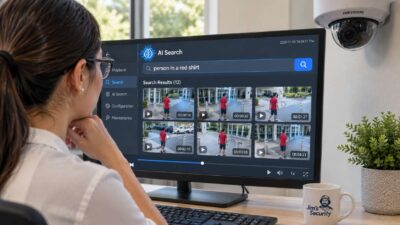
The best way to protect a caravan, boat or trailer parked at home is to layer your security. Use an active deterrence CCTV camera to warn people off before they touch anything. Back it up with a few solid locks and a hidden tracker, so you are covered if someone gets past the camera.
A camera that only records tells you what happened after the thing is gone. Active deterrence aims to stop the theft before it starts, and the extras give you a second line of defence.
Why are caravans, boats and trailers a target?
They are valuable, easy to hook up and often parked where they can be seen from the street. Many sit unused for weeks, so a theft can go unnoticed for a long time. They are also often stored at the side, back or front of the property, where nobody is watching them.
That combination of value, visibility and time is why they need their own plan, separate from your front door security.
What is an active deterrence camera?
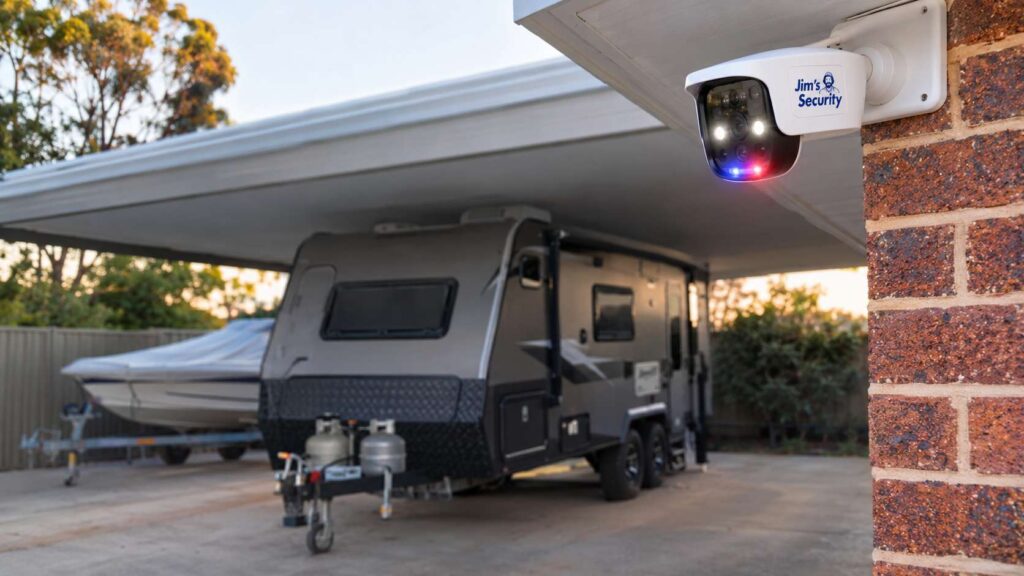
An active deterrence camera does more than record. It detects a person or vehicle in an area you choose, then responds on the spot. Depending on the model, that can mean flashing lights, a spotlight, a siren or a spoken warning through two-way audio. You also get an alert on your phone.
This is the key difference from a standard camera. The aim is to stop someone before they reach the trailer hitch, not to film them driving away. Features vary between brands and models, so we match the camera to your property. Our guide on what active deterrence cameras are explains the technology in more detail.
Where should the camera go?
Position matters more than most people expect.
- Cover the vehicle and the approach. You want to detect someone before they reach it, not after.
- Mount it high enough to be out of easy reach, but low enough to capture useful detail.
- Keep it visible. A camera with lights and a siren is part of the deterrent.
- Think about lighting. Night-time detection and image quality depend on the camera type, angle and available light.
- Cover the gate or driveway entry if the vehicle is parked deep on the property.
Detection range and image detail depend on the specific camera, its placement and conditions on the night. We assess your site first, rather than promising a result in advance.
What else should you add?
Locks buy time. A hitch or coupling lock, a wheel clamp, or a chain and padlock secured to a ground anchor make the vehicle harder to move. For boats, lock the outboard motor too. Check the right size and fit with your supplier first.
A hidden tracker is your safety net if the vehicle is taken. A dedicated GPS tracker can give live location and movement alerts, which means faster recovery and a useful location to give police. An Apple AirTag is a cheaper, subscription-free option, but it relies on nearby Apple devices to report its location, so it can be patchy in remote areas. It is also not designed as an anti-theft device, and nearby iPhone users may be alerted to an unknown AirTag, so hide it well and treat it as a backup.
Whichever you choose, keep a record of the serial number, VIN or compliance plate details, and check your insurance policy for storage conditions. For a wider look at home protection, see our article on rising car theft and home break-ins across Australia.
Why professional installation matters
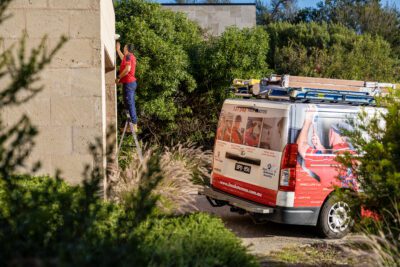
A camera in the wrong spot gives you false confidence. A professional installer checks your layout, picks a camera that suits the distance and lighting, and sets up the detection zones so you get useful alerts rather than constant false alarms. They also handle cabling, power and phone access so the system works from day one.
Jim’s Security can design a system around your property and the vehicles you need to protect. Request a free quote and we will talk through the right camera setup for your caravan, boat or trailer.